

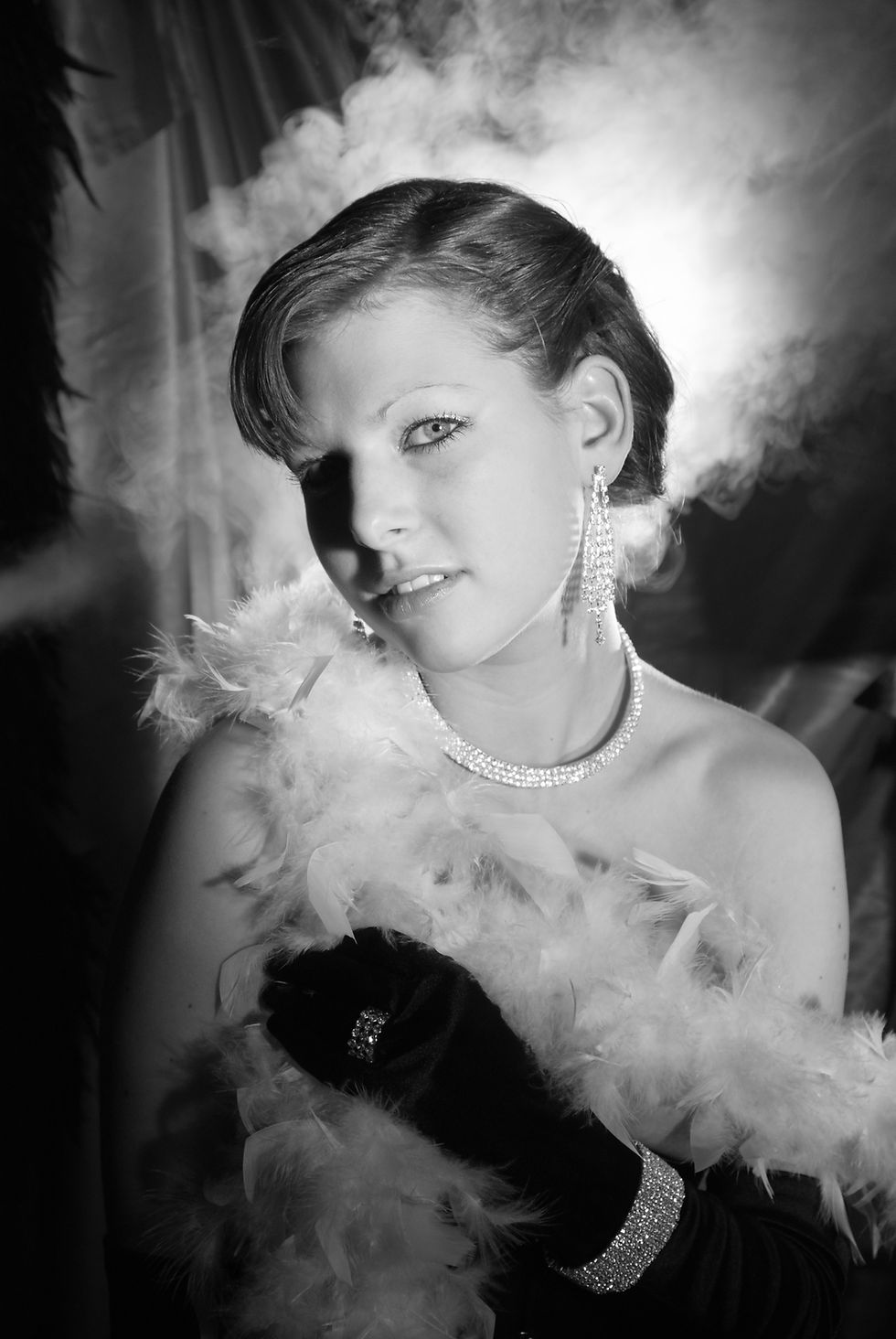

Small Wedding Photography That Feels Natural, Stylish and Truly You
A small wedding should never feel like a production you have to perform in.
It can be elegant, emotional, polished, and beautifully documented without turning the day into a film set. For many couples, that is the whole point of choosing an intimate wedding or elopement in the first place. The guest list is smaller. The pace is softer. The focus stays on the people, the vows, the place, and the feeling of being fully present.
The right photography approach honours that.
There is room for classic portraits, the kind parents and grandparents love to frame. There is also room for the unplanned images that often become the most treasured: a hand squeeze before the ceremony, a laugh that breaks open during portraits, a windblown veil, a guest wiping away tears, a quiet look no one else noticed.
Small wedding photography works best when it combines stylish direction with a photojournalistic eye. You should feel cared for, never controlled. Guided, never staged for hours. Seen, never surrounded by gear that blocks the view.

Why smaller weddings need a different kind of photography
Large weddings often need a higher level of planning. There are more locations, more guests, larger wedding parties, tighter timelines, and more moving pieces. Small weddings and elopements tend to have a different rhythm.
There may be only a handful of guests. The ceremony might happen in a garden, by a lake, at a family cottage, on a quiet city terrace, or inside a favourite restaurant. The reception may feel more like a meaningful dinner than a traditional ballroom event.
That kind of day does not need to be overrun by heavy lighting stands, repeated takes, and constant direction. It needs a photographer who can read the room.
A strong small wedding photographer notices:
When a moment needs guidance
When a moment needs privacy
Where the best light is hiding
How family dynamics flow
When to step in for portraits
When to disappear into the background
This is where experience matters. A quiet approach does not mean passive photography. It means the photographer is working with care and intention without making every minute feel managed.
The goal is not to chase perfection in every frame. The goal is to make photographs that feel beautiful because they are honest, flattering, and emotionally alive.
The beauty of classic portraits without the pressure
Classic portraits still matter.
Even the most relaxed elopement benefits from a few beautifully composed images. These are the photographs that give shape to the day: the couple together, the family groupings, the wedding party if there is one, the ceremony location, the rings, the flowers, the clothing, the small details chosen with care.
Done well, portraits do not have to feel stiff.
A skilled photographer will give simple prompts instead of endless instructions. They might adjust the angle of a shoulder, guide where to place hands, or move the couple into softer light. They may suggest movement, like walking together, leaning in, or turning toward each other, instead of asking for frozen poses.
The difference is subtle, but it changes everything.
Poor direction can make people feel watched and judged. Good direction gives people relief. It answers the quiet questions that almost everyone has in front of a camera:
Where do I stand?
What do I do with my hands?
Is my posture okay?
Do we look natural?
Are we taking too long?
The best portrait sessions on a wedding day feel calm and efficient. They create flattering images without pulling people away from the celebration for too long.
That matters even more at a small wedding. If there are only 12 guests, disappearing for two hours changes the whole energy of the day. A thoughtful photographer keeps portraits focused, beautiful, and relaxed so there is still time to be with the people who came to celebrate.

Photojournalistic coverage lets the day breathe
Photojournalistic wedding photography focuses on what actually happens. It follows the day as it unfolds, rather than forcing every scene to become a posed moment.
That does not mean random snapshots. It means careful observation. The photographer watches for emotion, gesture, light, movement, and relationship. They anticipate the peak of a moment and frame it with purpose.
At a small wedding, these moments can be incredibly rich:
A parent sees the couple dressed for the first time.
A best friend fixes a collar or smooths a sleeve.
Someone laughs during a reading.
A child wanders toward the ceremony arch.
A grandparent holds a glass with both hands during a toast.
The couple steps aside for one quiet breath together.
These moments may last only a second or two. They cannot be recreated in the same way. That is why a photojournalistic approach is so valuable. It protects the natural flow of the day instead of interrupting it every time something meaningful begins to happen.
It also gives people permission to relax. Guests do not feel like they are part of a set. The couple does not worry that every smile has to be camera-ready. The day can simply move.
Some of the most loved wedding photographs are candid because they hold a truth that posed images rarely capture. The smile is unguarded. The tears are real. The laughter is not performed. The body language says more than a pose ever could.
Less equipment can mean a better experience
There are weddings where large rigs, multiple lighting setups, and a full production team make sense. Some couples genuinely want that kind of high-production experience. There is nothing wrong with it when it matches the vision.
For many intimate weddings and elopements, though, too much equipment can change the feeling of the day.
Large setups can block guests’ views during the ceremony. They can make a quiet room feel crowded. They can create long pauses while scenes are adjusted. They can also make people more aware of the camera, which often makes them act less naturally.
A lighter approach has real benefits:
The ceremony feels more intimate
Portraits move faster
People behave more naturally
The setting stays central
Guests can focus on the vows instead of looking around tripods, lights, and operators.
Less setup means more time for conversation, food, hugs, and celebration.
When the camera presence feels quiet, expressions become more honest.
A beautiful location can shine without being crowded by gear.
This does not mean the photographer shows up underprepared. It means they choose tools that suit the event. Professional cameras, quality lenses, backup gear, and good planning are still essential. The difference is that the equipment supports the story instead of becoming the story.
For elopements, this can be especially important. If the couple has chosen a remote overlook, a quiet beach, a forest trail, or a small inn, they likely want the setting to feel peaceful. A photographer who can move lightly and work with natural light will often preserve that feeling best.

Direction should be woven into the day
A common fear couples have is that they will look awkward in photos. They worry about standing in the wrong place, missing a cue, smiling strangely, or having one curl fall across their face at the wrong moment.
Those worries are understandable. Most people are not professional models. They should not have to be.
Good wedding direction solves those problems without creating new ones. It happens in small, natural ways throughout the day.
During getting ready, the photographer might move the dress or jacket near clean window light.
Before the ceremony, they might help choose a first-look spot with privacy and a flattering background.
During couple portraits, they might offer easy prompts that create movement.
During family photos, they might organize groups clearly so no one feels confused or left out.
At dinner, they might step back and let the room settle into conversation.
This kind of guidance creates a sense of trust. The couple knows someone is watching the details, but they do not feel managed from morning to night.
The best photographers understand when perfection matters and when it does not. A family portrait should have everyone visible and well placed. A candid dance-floor laugh does not need every hair in place. A windblown veil might look more beautiful than a perfectly pinned one. A tearful hug may be more meaningful than a polished smile.
Wedding photographs should not make people remember how hard they worked to look perfect. They should bring back how the day felt.
The photographs people return to most
Wedding galleries usually contain a mix of image types. There are portraits, details, ceremony images, family groupings, reception scenes, and candid moments. Each type has value.
Still, many couples find themselves returning again and again to the images that feel least expected.
The classic family portrait may be printed and framed. The stylish couple portrait may become a favourite for a wall or album cover. The candid images often become the ones people send to friends, save on their phones, share with family, or revisit late at night.
Why? Because candid photographs carry memory differently.
They do not only show what people looked like. They show what was happening between people.
A hand on a shoulder. A glance across the table. A laugh during a toast. A quiet moment after the ceremony when the couple realizes they are married. These are the images that can bring back the sound of the room, the weather, the nerves, the relief, and the joy.
Strong wedding coverage includes both. Classic portraits give the day structure. Photojournalistic images give it heartbeat.
For small weddings, that balance is especially powerful. With fewer distractions and fewer formalities, there is often more emotional space. The photographer can pay closer attention to each guest, each exchange, and each quiet shift in the day.
What to look for in a small wedding or elopement photographer
Choosing the right photographer is partly about style, but it is also about presence.
A portfolio may show beautiful images, but the way those images were made matters too. A couple who wants a calm, natural wedding day should look for signs that the photographer values both artistry and ease.
Look for galleries that include:
Full emotional moments, not only posed portraits
Clean, classic family photos
Natural light used well in different settings
Candid guest reactions
Quiet in-between moments
Portraits that feel stylish but not forced
Small weddings or elopements, not only large events
It can also help to ask how the photographer handles direction. The answer should feel balanced. If there is no direction at all, the couple may feel unsupported. If every part of the day is heavily directed, the wedding may start to feel scripted.
Good questions include:
How do you approach portraits for couples who feel awkward on camera?
How much time do you recommend for family photos?
How do you photograph ceremonies without distracting guests?
Do you work mostly with natural light, flash, or both?
How do you balance candid coverage with classic portraits?
What does the gallery delivery process usually look like?
Delivery timelines matter as well. Some highly produced wedding films or photography packages can take a long time, especially when complex editing is involved. A thoughtful photographer should be clear about what to expect, including sneak peeks if offered, final gallery timing, and how images will be delivered.
Clarity removes stress. It lets the couple enjoy the day without wondering when they will see the final work.

A calmer way to remember the day
A small wedding gives permission to choose what matters most.
Maybe that means a slow morning with coffee before getting dressed. Maybe it means walking to the ceremony together. Maybe it means vows with only immediate family present, followed by dinner at a favourite place. Maybe it means an elopement with no audience at all, just the two of you and the landscape around you.
Photography should support that choice.
The right approach does not turn the day into a constant sequence of cues. It does not ask everyone to pause their emotions until the camera is ready. It does not make the couple feel as if one imperfect strand of hair has ruined the frame.
Instead, it blends skill with sensitivity. It creates beautiful portraits when direction is needed, then steps back when life starts happening on its own.
That is the heart of natural, stylish small wedding photography: a gallery that feels polished but not stiff, emotional but not chaotic, guided but never overwhelming. The final images should show the beauty of the setting, the care in the details, the people who showed up, and the honest joy that could never be planned.
The best wedding photographs do more than prove the day happened. They help you feel it again.


Comments